⚡ Quick Answer
Most everyday bloating comes down to trapped gas, water retention, or slow digestion — not fat gain. The habits with the most consistent relief are eating more slowly, cutting back on carbonated drinks, peppermint and ginger for digestive comfort, staying hydrated, moving after meals, and identifying your own specific trigger foods. Persistent or severe bloating is a different conversation — that's worth a doctor's input, not just a home remedy.
📋 What's in this guide
What Actually Causes Bloating
Bloating is usually one of a few predictable things, not a mystery symptom. The most common culprits: swallowed air from eating too quickly or chewing gum, gas produced by gut bacteria breaking down certain carbohydrates, water retention (often tied to sodium intake or hormonal fluctuations), and slower-than-usual digestion, which gives gas more time to build up before it moves on.
For most people, bloating is situational — tied to a specific meal, a stressful day, or a stretch of poor sleep — and resolves within a few hours to a day. That's an important distinction from actual weight or fat gain, which doesn't appear and disappear on that timeline. It's also a good example of how digestive comfort fits into the broader benefits of a healthy lifestyle — small, consistent habits, not a single fix.
Why Bloating Hits Some People Harder Than Others
Two people can eat the exact same meal and have completely different experiences — one feels fine, the other feels like they swallowed a balloon. A few things explain the difference: individual gut bacteria composition affects how much gas certain foods produce during digestion; eating speed and portion size vary widely between people; hormonal fluctuations (particularly around the menstrual cycle) can cause temporary water retention that mimics or worsens gas-related bloating; and underlying sensitivities — even mild, undiagnosed ones — can make specific foods disproportionately uncomfortable for some people and a non-issue for others.
This is part of why generic bloating advice only goes so far. The methods below are genuinely useful starting points, but the food log mentioned later in this guide matters more than any single tip — your own patterns will tell you more than any general list can.
12 Natural Ways to Reduce Bloating
Peppermint tea
Peppermint has a reasonable track record for relaxing the digestive tract and easing gas and cramping — one of the more consistently recommended natural options for after-meal bloating.
Ginger
Traditionally used to support digestion and ease nausea, ginger may help speed stomach emptying, which can reduce the buildup that leads to that overly-full feeling.
Fennel seeds
A traditional remedy for gas and bloating, fennel is thought to help relax the digestive muscles and support smoother gas movement through the gut.
Eat more slowly
Eating quickly means swallowing more air along with your food — one of the simplest, most overlooked bloating triggers. Slowing down alone resolves a surprising amount of everyday bloating.
Cut back on carbonated drinks
The bubbles in soda and sparkling water are literally gas — drinking a lot of it introduces gas directly into your digestive tract, with predictable results.
Stay hydrated
Adequate water intake supports regular digestion and helps prevent the constipation-related bloating that comes from a sluggish gut.
Take a short walk after eating
Gentle movement helps stimulate digestion and can encourage trapped gas to move along, easing that heavy, swollen feeling faster than sitting still does.
Watch your sodium intake
High sodium meals encourage the body to retain water, which shows up as puffiness and bloating — particularly noticeable the day after a very salty meal.
Identify your personal trigger foods
Beans, onions, garlic, and certain cruciferous vegetables are common gas producers for many people, but individual tolerance varies widely — a simple food journal can reveal your specific patterns.
Support your gut bacteria
Probiotic-rich foods like yogurt and fermented vegetables may help build a gut microbiome that produces less excess gas over time, though effects vary by individual.
Skip the gum and straws
Both chewing gum and drinking through a straw increase the amount of air you swallow without realizing it — an easy, overlooked fix.
Manage stress
The gut and nervous system are closely linked — chronic stress can slow digestion and worsen bloating, making stress management a legitimate part of the picture, not just an unrelated wellness tip.
Peppermint, ginger, and fennel — three of the most consistently recommended options above — happen to be a common combination in evening digestive teas, since they're traditionally paired together for exactly this kind of after-meal comfort. Digestion and metabolism overlap more than people expect too — see our guide on how to increase metabolism naturally if that's the bigger goal. More on one tea example below.
Common Bloating Myths, Debunked
Myth
Bloating means you've gained fat overnight.
Fact
Bloating is gas or fluid, not fat — it typically resolves within hours to a day, which is far faster than any real change in body fat could happen.
Myth
"Detox" teas flush bloating-causing toxins out of your system.
Fact
Most bloating relief from herbal teas comes from ingredients like peppermint and fennel relaxing the digestive tract — not from removing undefined "toxins."
Myth
If a food bloats you, it must be a food intolerance.
Fact
Occasional bloating from gas-producing foods is normal digestion, not necessarily an intolerance. True intolerances tend to be more consistent and severe.
Myth
Drinking less water reduces bloating from water retention.
Fact
The opposite is usually true — under-hydration can worsen water retention, since the body tends to hold onto water more when intake is inconsistent.
When Bloating Is Worth a Doctor's Input
⚠️ Not All Bloating Is "Just Digestion"
Occasional bloating tied to a meal or a stressful day is normal. It's worth talking to a healthcare provider if bloating is severe, persistent for more than a couple of weeks, comes with pain, unexplained weight loss, changes in bowel habits, or blood in your stool. These can be signs of something that benefits from proper evaluation rather than home remedies alone.
None of the natural methods in this guide are a substitute for medical evaluation when something feels genuinely off — they're for the ordinary, situational bloating most people deal with occasionally, not a persistent or worsening pattern.
Morning Bloating vs. Evening Bloating
Bloating patterns often differ depending on when they show up, and the cause tends to differ with it. Morning bloating, especially if it's present before you've eaten anything, is more often related to water retention, sluggish overnight digestion, or a heavy meal the night before that hasn't fully cleared. Evening bloating, by contrast, is usually the accumulated effect of a full day of eating, talking, and swallowing air — it builds gradually rather than appearing all at once.
That distinction is useful for deciding what to actually change. Morning bloating tends to respond better to adjustments earlier in the routine — a lighter dinner, more water during the day, less sodium at night. Evening bloating usually responds better to habits during and after meals themselves — eating more slowly, a post-dinner walk, or a calming tea to close out the day rather than a morning-focused fix.
Building an Anti-Bloating Routine
- Slow down at meals. Put the fork down between bites — this single change resolves more bloating than most people expect.
- Swap one carbonated drink a day for water or herbal tea. A gradual swap, not a total ban, is easier to sustain.
- Add a short walk after your largest meal. Ten to fifteen minutes is enough to make a difference.
- Keep a simple food log for two weeks. Patterns in what bloats you specifically become obvious faster than you'd expect.
- Build in a wind-down herbal tea in the evening. Beyond the ingredients themselves, the ritual of a calm evening routine supports the stress side of the equation too.
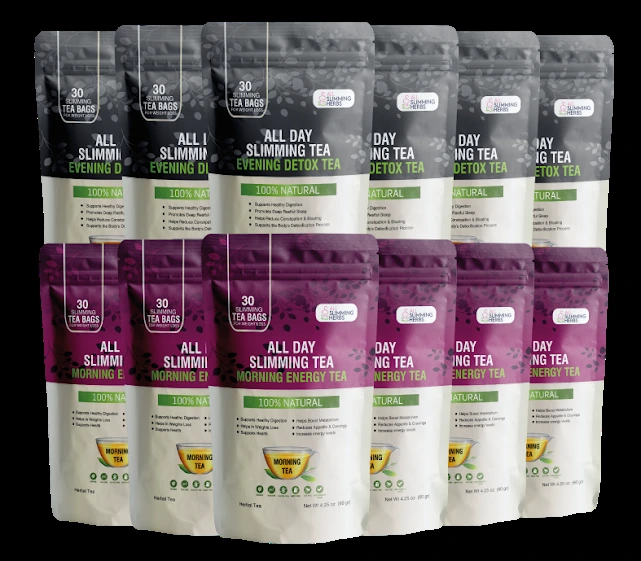
Where Evening Herbal Tea Fits: All Day Slimming Tea
The Evening Detox Tea in this two-part system is built around several of the ingredients covered above — peppermint, fennel, and ginger among them — alongside a calming evening ritual that supports the stress side of digestion too. It's not a fix for underlying digestive conditions, but as an evening habit built around genuinely relevant ingredients, it's a reasonable one to consider.
Or read our full review first.
📝 The One-Page Cheat Sheet
Frequently Asked Questions
Peppermint tea, a short walk after eating, and warm water can all provide relatively quick relief for mild, occasional bloating by helping relax the digestive tract and support gas movement.
Carbonated drinks, foods high in certain fermentable carbohydrates (like beans, onions, and some cruciferous vegetables), and eating too quickly are among the most common everyday triggers.
Yes, adequate hydration supports normal digestion and can help reduce bloating linked to constipation. It's one of the simplest, lowest-effort habits with a real effect.
No, bloating is typically caused by gas or fluid in the digestive tract, not by fat gain. It usually resolves within hours to a day, unlike actual weight change.
Morning bloating is often tied to water retention or a heavy meal the night before, while evening bloating tends to build gradually from a full day of eating and swallowed air. The two usually respond to different fixes.
If bloating is severe, persistent, accompanied by pain, unexplained weight loss, or changes in bowel habits, it's worth discussing with a healthcare provider rather than managing with home remedies alone.